Google algorithm updates can feel like a nightmare for website owners and marketers. One day your website is ranking on the first page, and the next, your traffic suddenly drops. While these updates are designed to improve search quality and user experience, they can significantly impact businesses that rely on organic traffic. The good news? A ranking drop doesn’t have to be permanent. With the right recovery strategy, you can regain lost visibility and come back even stronger.
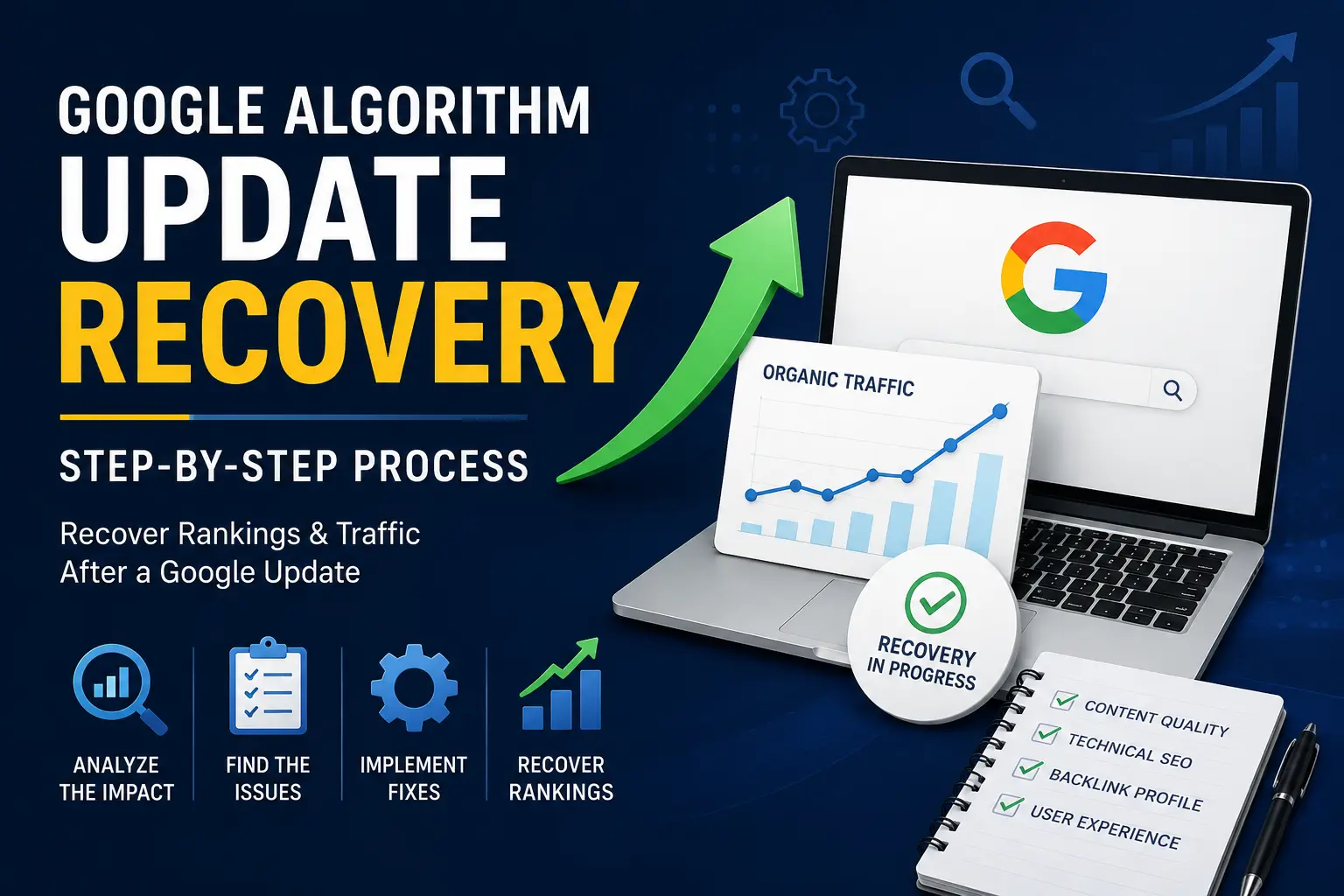
1. Identify What Changed
Before making any changes, determine whether your traffic decline is linked to a Google algorithm update or another issue, such as technical errors, seasonal trends, or website changes. Use tools like Google Search Console and Google Analytics to identify which pages, keywords, or sections experienced the biggest decline.
Understanding the root cause will help you avoid making unnecessary changes that could hurt your rankings further.
2. Improve Content Quality
Google rewards content that is valuable, trustworthy, and written for users rather than search engines. Review your existing content and ask yourself:
- Does it answer the user’s search intent?
- Is the information accurate and up to date?
- Does it provide unique insights instead of repeating what’s already available online?
Update outdated statistics, improve readability, add expert opinions, and remove thin or duplicate content. High-quality, comprehensive content consistently performs better after major algorithm updates.
3. Strengthen Your Website’s Technical SEO
Technical issues can amplify the impact of an algorithm update. Ensure your website:
- Loads quickly
- Is mobile-friendly
- Uses HTTPS
- Has a clean site architecture
- Fixes broken links and crawl errors
A technically optimized website provides a better user experience, which aligns with Google’s ranking priorities.
4. Focus on User Engagement
Google increasingly values user experience signals. Keep visitors engaged by making your content more interactive and easier to understand.
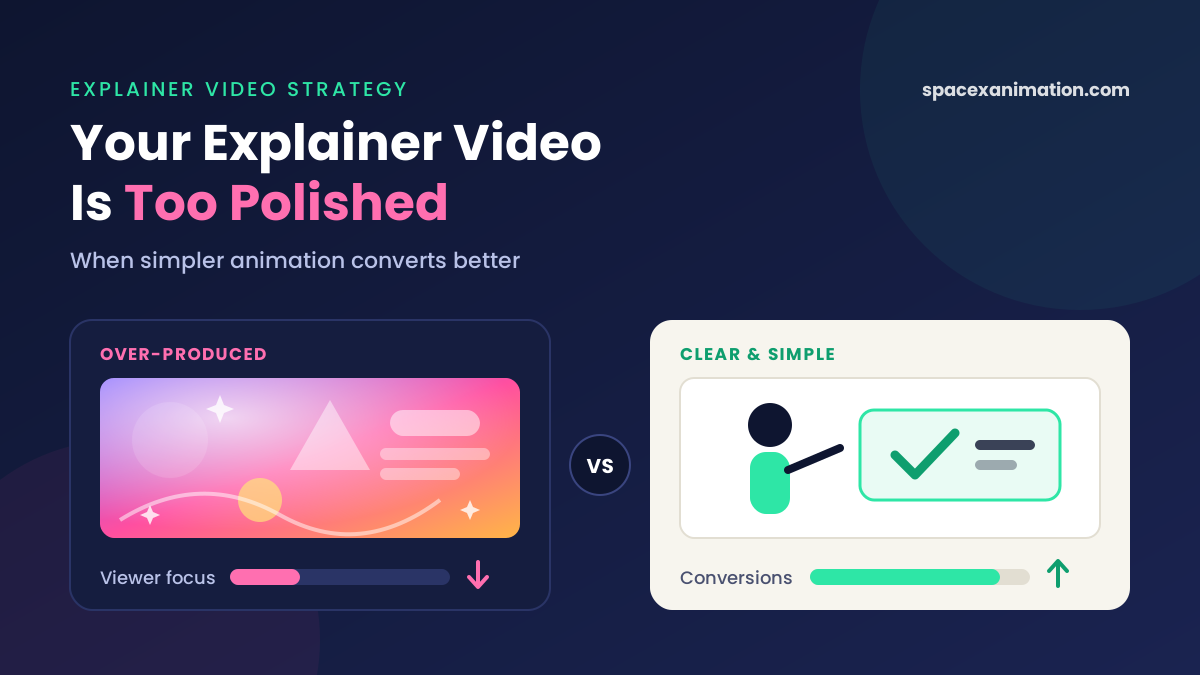
One highly effective strategy is adding explainer video animation services to your important landing pages and blog posts. Animated explainer videos simplify complex topics, increase average session duration, reduce bounce rates, and encourage users to explore more of your website. Instead of reading long blocks of text, visitors can quickly understand your message through engaging visuals.
For businesses offering software, professional services, healthcare, finance, or SaaS solutions, explainer videos make complex information easier to digest while creating a memorable brand experience.
5. Build Authority and Trust
Google’s ranking systems increasingly reward websites that demonstrate Experience, Expertise, Authoritativeness, and Trustworthiness (E-E-A-T). Strengthen your authority by:
- Publishing original research and case studies
- Earning backlinks from reputable websites
- Adding author bios and credentials
- Collecting customer testimonials and reviews
Trust signals reassure both users and search engines that your content deserves higher visibility.
6. Monitor Performance and Stay Patient
Recovery after a Google algorithm update rarely happens overnight. Continue monitoring keyword rankings, traffic trends, and user behavior while making gradual improvements. Avoid drastic changes every few days, as this makes it difficult to determine what is actually working.
SEO is a long-term investment, and consistent optimization typically delivers sustainable results over time.
Final Thoughts
Google algorithm updates are designed to reward websites that prioritize quality, relevance, and user experience. Instead of chasing quick fixes, focus on creating valuable content, maintaining a technically sound website, and engaging visitors with compelling formats like explainer video animation services. By combining strong SEO practices with visually engaging content, you not only improve your chances of recovering lost rankings but also build a website that continues to perform well through future algorithm updates.