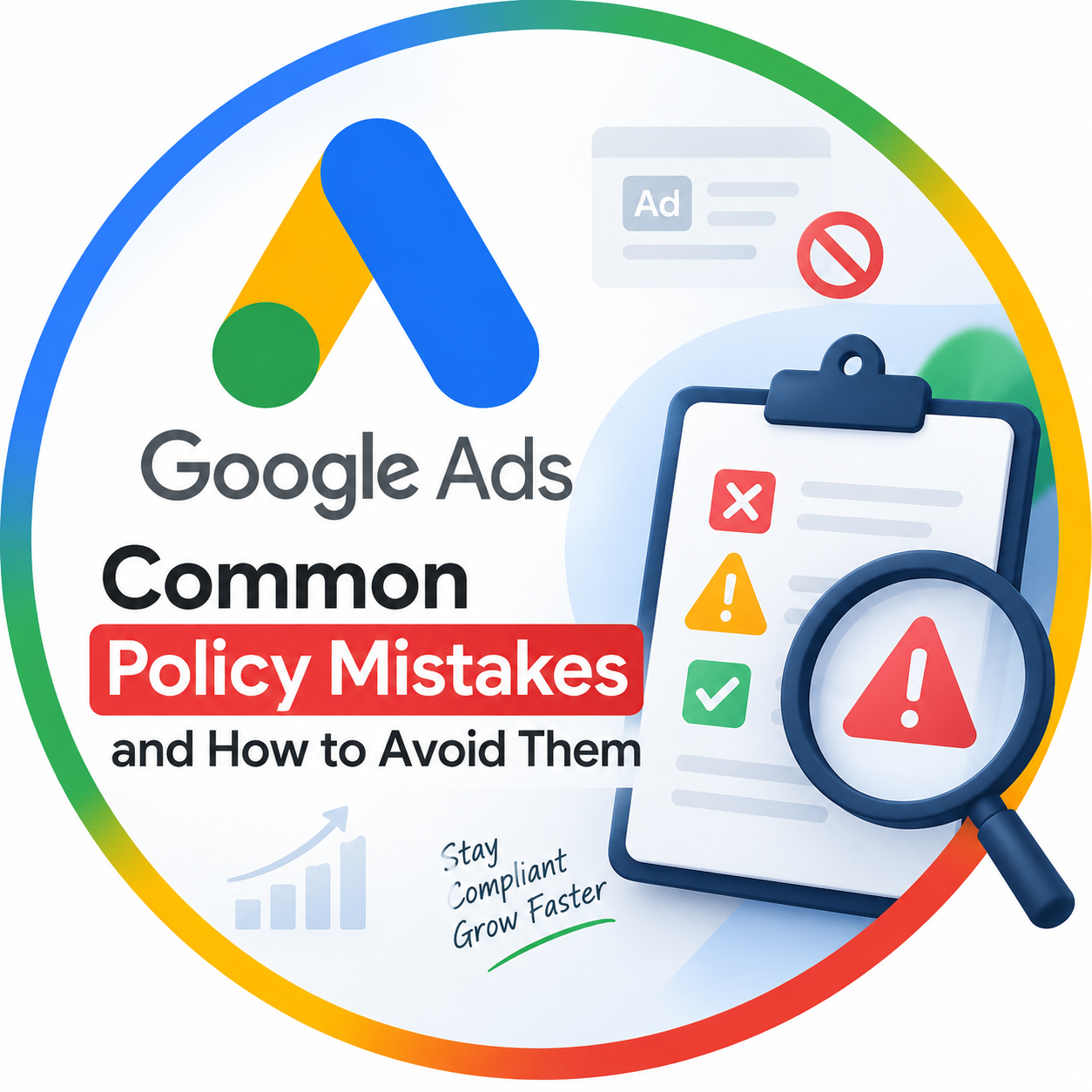
Running Google Ads is one of the fastest ways to generate leads, increase website traffic, and grow your business. However, many advertisers unknowingly violate Google Ads policies, leading to ad disapprovals, account suspensions, or poor campaign performance. Understanding these common mistakes can save both time and money while ensuring your campaigns remain compliant.
Let’s explore the most common Google Ads policy mistakes and how you can avoid them.
1. Misleading or False Claims
One of the biggest reasons ads get rejected is making exaggerated or unverifiable claims such as “Guaranteed #1 Rankings,” “100% Success Rate,” or “Instant Results.” Google prioritizes user trust and expects advertisers to provide honest, evidence-based messaging.
How to avoid it:
Use factual statements supported by real data, testimonials, certifications, or case studies. Instead of promising unrealistic results, focus on the actual value your business delivers.
2. Poor Landing Page Experience
Even if your ad is approved, a low-quality landing page can negatively impact your Quality Score and conversions. Slow loading speeds, broken links, hidden information, or pages that don’t match the ad message often violate Google’s landing page policies.
How to avoid it:
Ensure your landing page is fast, mobile-friendly, secure (HTTPS), and directly relevant to the ad. Keep navigation simple and include clear calls-to-action.
3. Restricted or Prohibited Content
Google has strict policies around industries like healthcare, financial services, gambling, adult content, and counterfeit products. Promoting restricted products without proper certification can result in immediate disapproval.
How to avoid it:
Review Google’s advertising policies before launching your campaign. If your business belongs to a regulated industry, complete all required verification processes.
4. Incorrect Use of Trademarks
Using another company’s trademark in your ad copy without authorization can trigger policy violations.
How to avoid it:
Only use trademarks when you have permission or when your use falls under Google’s trademark guidelines, such as reselling genuine products or providing informational content.
5. Using Low-Quality Ad Creatives
Many businesses focus only on keywords and overlook the importance of engaging ad creatives. Generic headlines, poor-quality images, or unclear messaging often result in low click-through rates, reducing campaign effectiveness.
This is where explainer video animation services can make a significant difference.
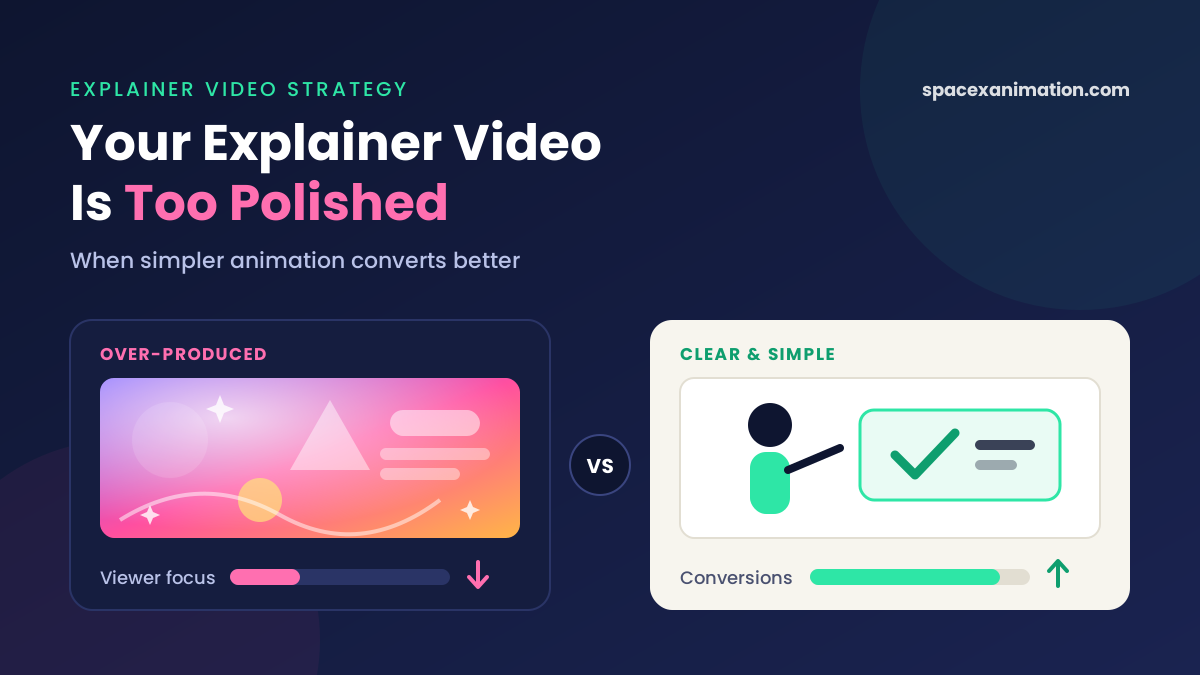
Animated explainer videos simplify complex products or services into engaging visual stories. When used on landing pages or as video assets in Google Ads campaigns, they improve user engagement, increase time spent on the page, and help visitors understand your offerings quickly. A well-crafted explainer video also builds credibility, making users more likely to convert after clicking your ad.
6. Missing Business Information
Google values transparency. Ads that lead to websites without contact information, privacy policies, or business details may appear untrustworthy.
How to avoid it:
Include essential business information such as your company name, contact details, privacy policy, terms of service, and refund policy where applicable.
Final Thoughts
Google Ads policies are designed to create a safe and trustworthy experience for users. Staying compliant not only prevents ad disapprovals but also improves your campaign performance and return on investment.
Beyond following policy guidelines, investing in high-quality marketing assets can further strengthen your campaigns. Professional explainer video animation services help communicate your message clearly, capture audience attention, and increase conversion rates by turning complex ideas into easy-to-understand visual content.
By combining policy-compliant advertising with compelling explainer videos, businesses can create Google Ads campaigns that not only get approved but also deliver measurable, long-term results.